
the Tapestry Model
a generalization of Object Oriented Programming

Claim: The tapestry model offers to deepen our understanding of object oriented programming (OOP) through a generalization of the notion of a class.
model overview
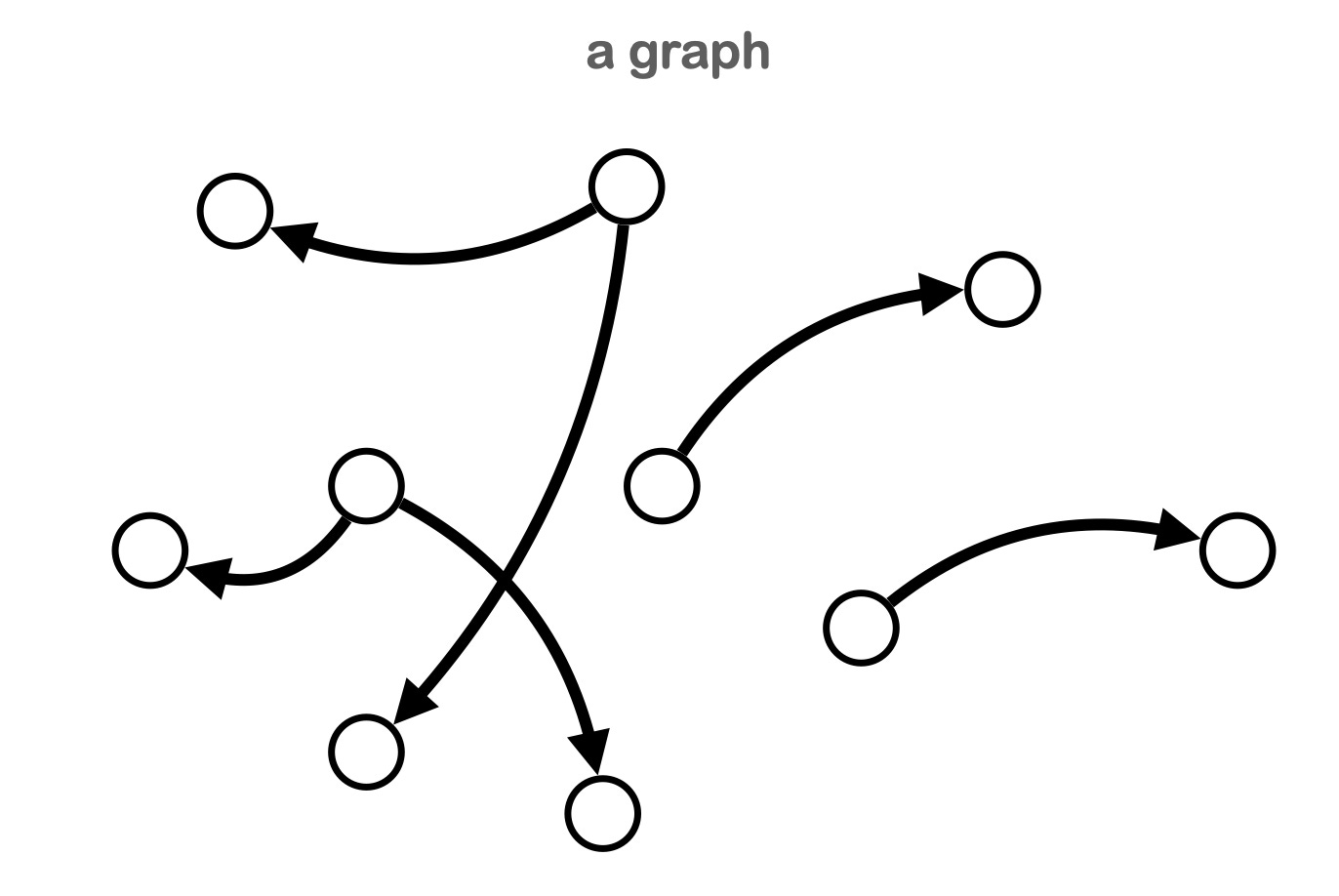
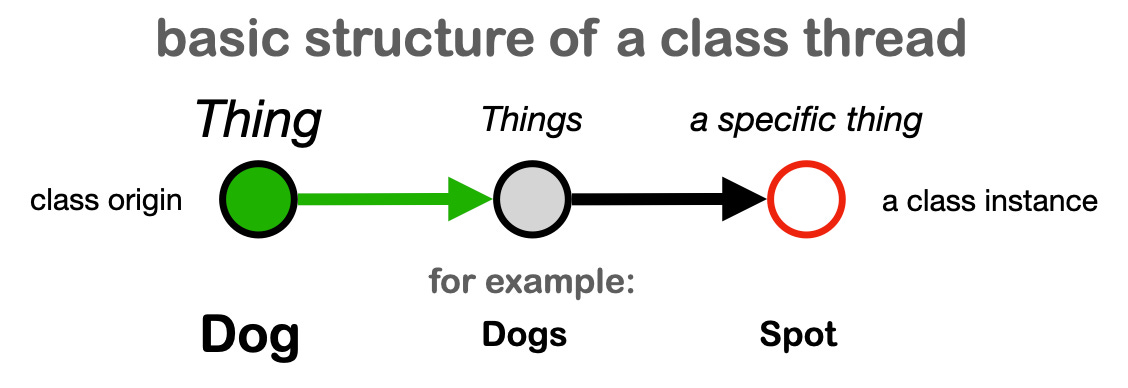
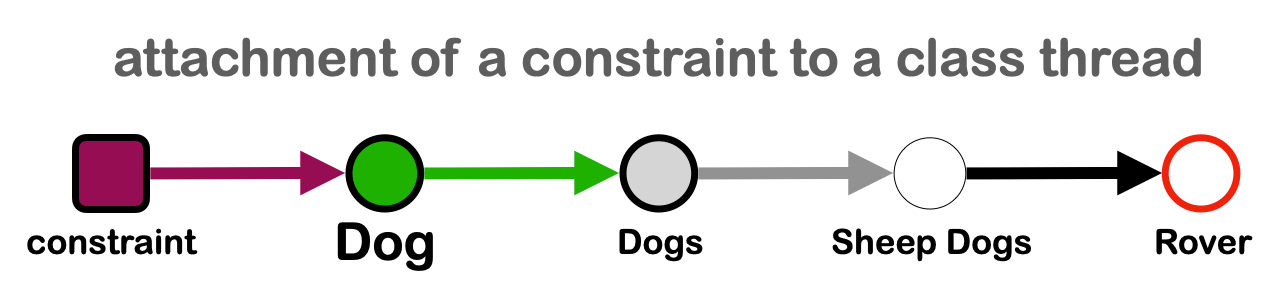
The tapestry model of knowledge representation begins with the idea of a class thread as the organizing principle of a graph.
summary
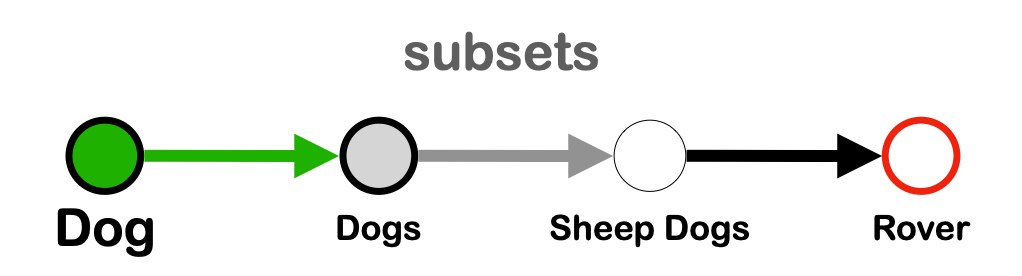
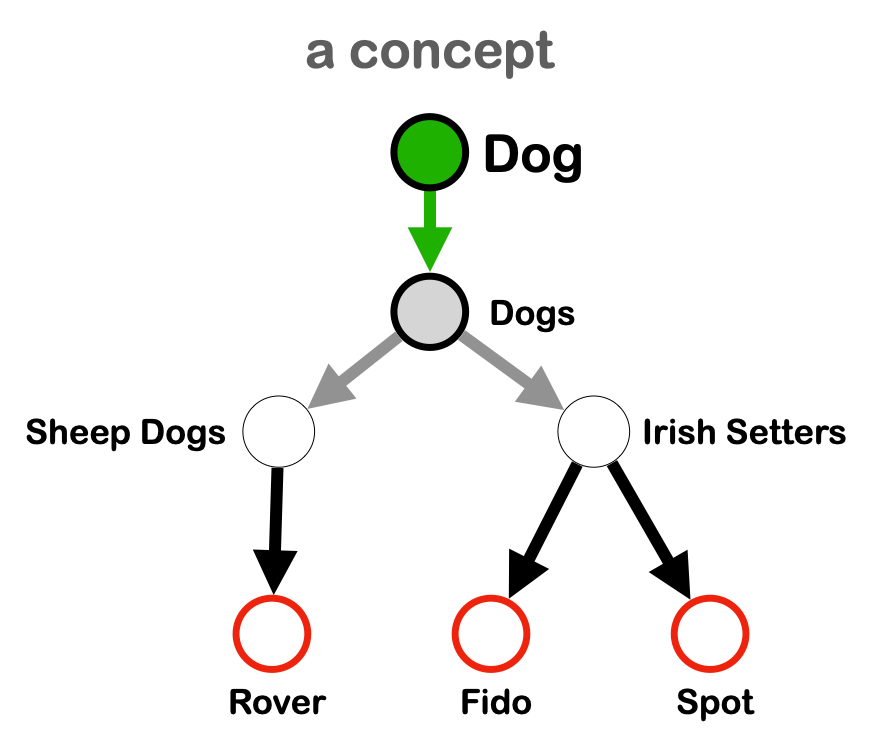
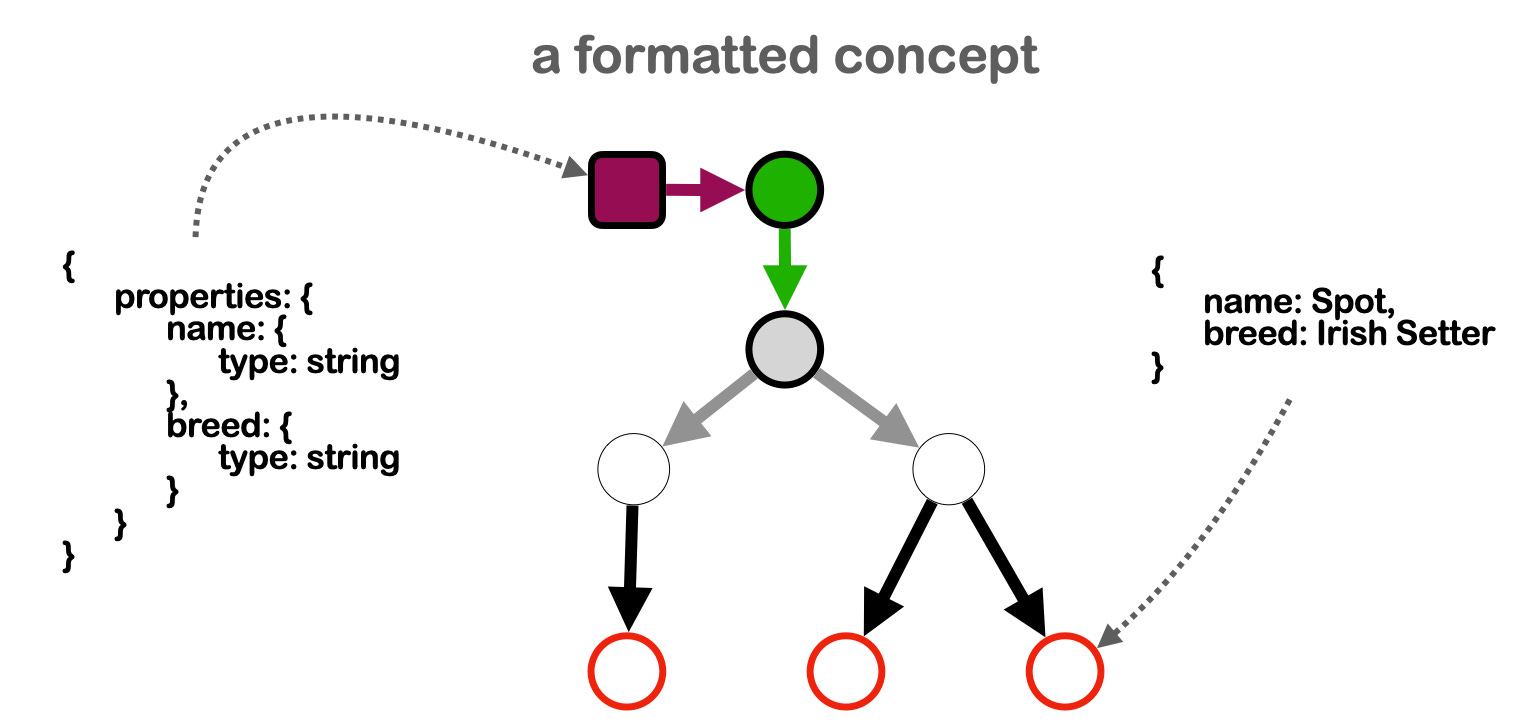
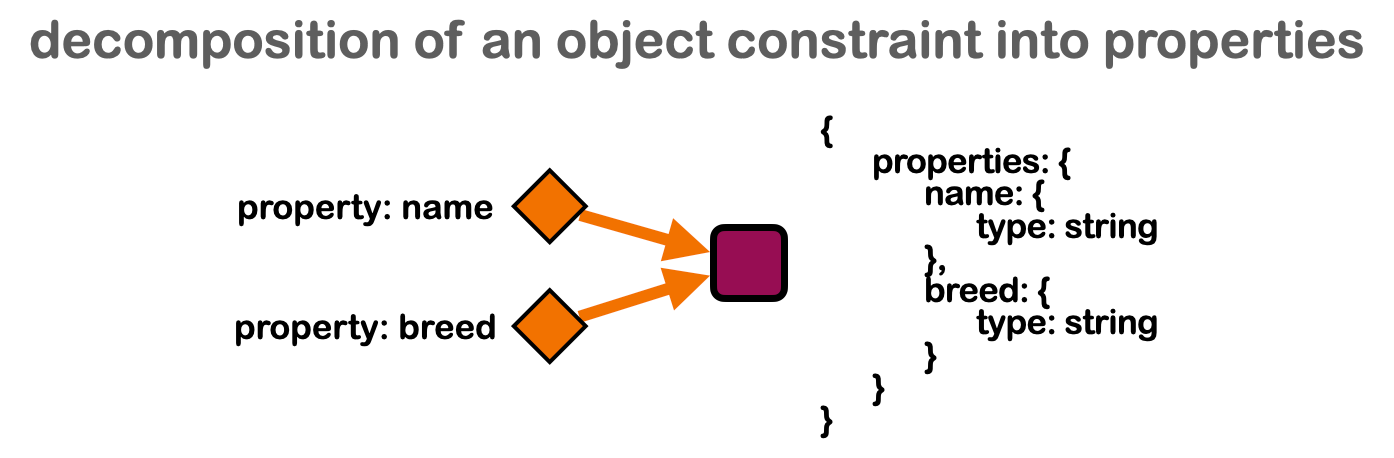
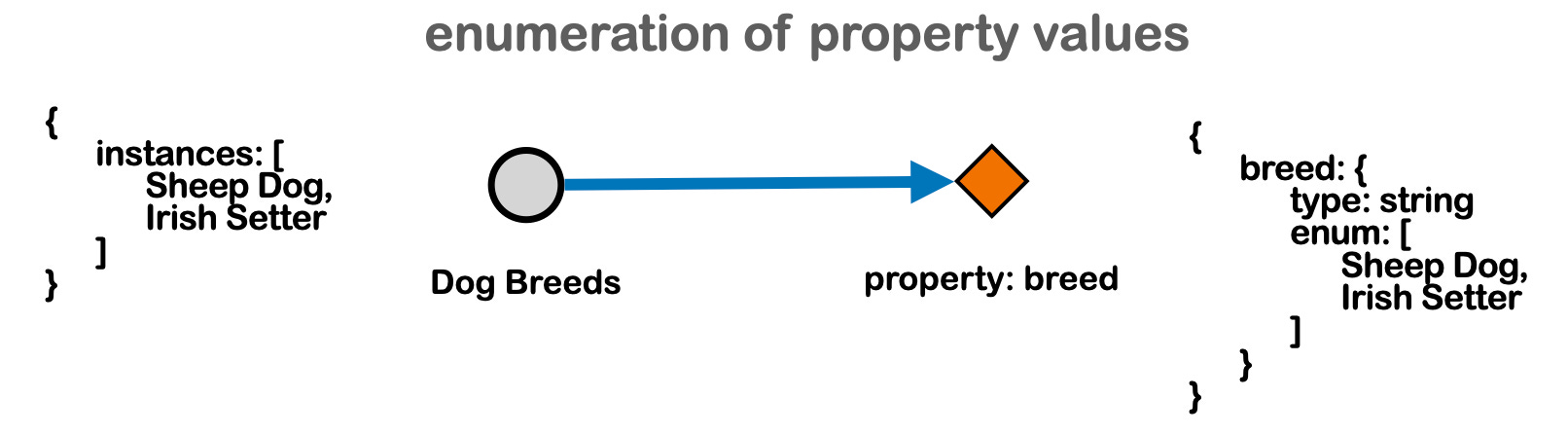
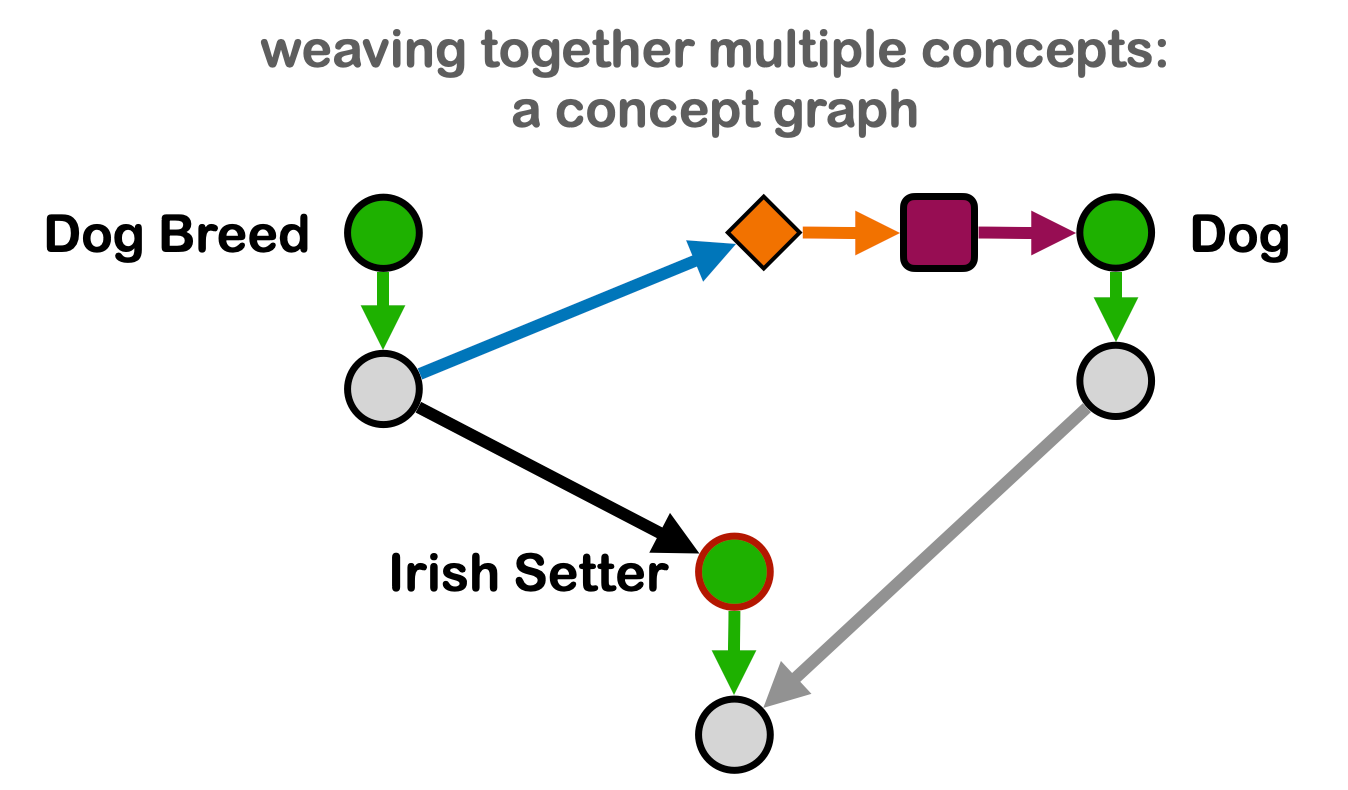
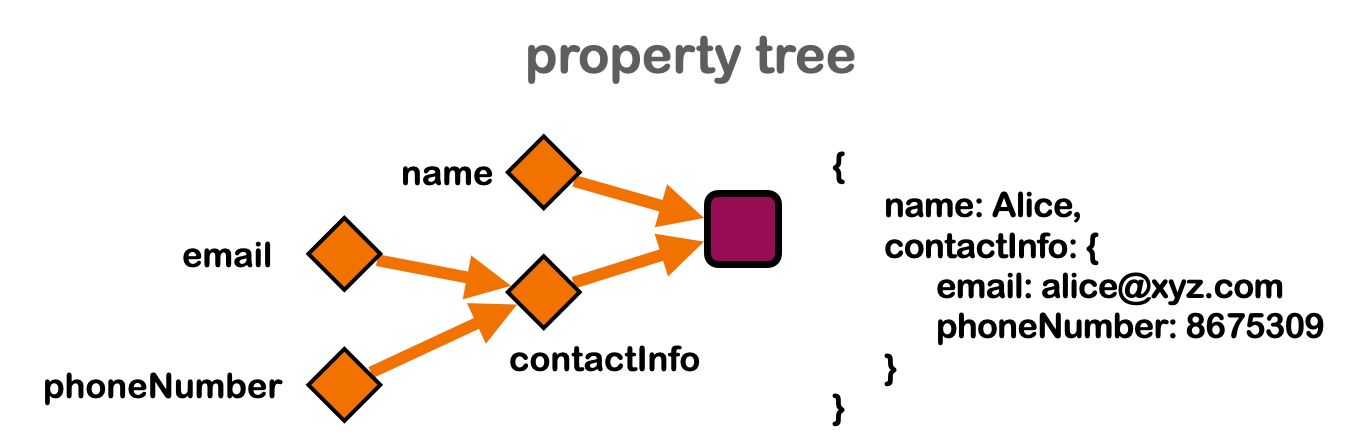
The tapestry model is based on the use of class threads as the organizational principle of knowledge in a graph. This allows us to define and organize data into concepts (Fig 4). Three methods to join concepts together are offered (Fig 9), only one of which has a natural counterpart in object oriented programming.
Compared to OOP, the tapestry model relaxes the requirement that classes produce objects. But we discover that objects are preferred because they enable extensive horizontal integration in addition to the vertical integration already enabled by OOP through class inheritance.
Benefits of the tapestry model include:
more extensive and detailed integration of ideas and concepts
an improved theoretical understanding of OOP
The following definitions may be useful to develop the tapestry model further:
orphan node: a node that is not the instance of any unconstrained class thread in the graph; may also be referred to as unformatted or unconstrained
a graph with at least one orphan node is an unconstrained
a graph with no duplicated nodes is normalized.
a fully integrated graph is one in which the process of breaking constraints into properties and forming horizontal integrations has been pursued to the maximum possible extent.
conceptualization: the process of representing any given piece of data as a graph using the tapestry model
Academic areas of interest may include:
research into the relationships between data storage inside individual nodes versus topologically encoded data. The process of querying the graph for topologically encoded data, such as a list of a concept’s instances, and encoding it inside one or more nodes may be referred to as expansion of the data. The reverse process, i.e. editing individual nodes to excise data that is already encoded topologically, may be called compactification of the graph. A concept graph is compact if compactification has been pursued to the maximum extent possible.
mathematical properties of fully compact, fully normalized, fully integrated concept graphs
methods and implications of combining nodes of mixed physical form within the same concept graph (e.g. digital with neuronal nodes)
These benefits should motivate the construction of tools to facilitate conceptualization of wide categories of data by everyday users in addition to computer scientists.